Launch readiness for vibe-coded apps
A practical checklist for taking a promising prototype and making it safe enough to release.
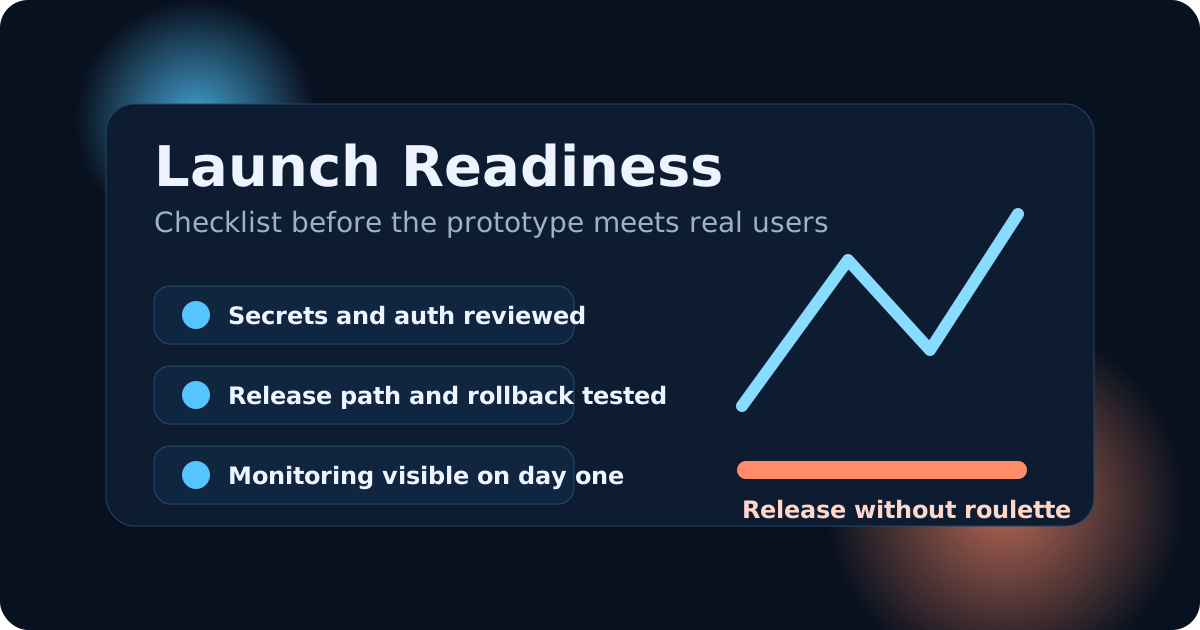
Fast prototypes tend to fail in the same places: secrets handling, deployment discipline, monitoring, and rollback. None of that is glamorous, but all of it determines whether a launch is a milestone or a cleanup operation.
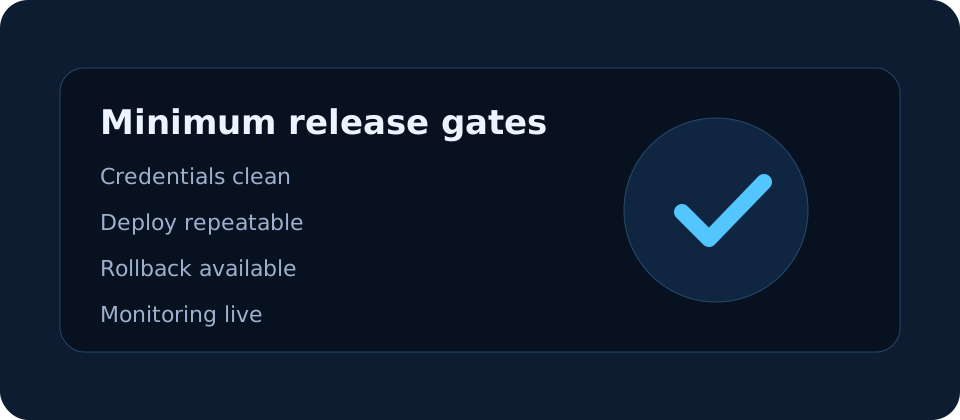
The minimum bar before release
Before a product goes live, we want a few things to be boring:
- Secrets are not in the frontend bundle or committed in Git.
- Production and staging use separate environments.
- The team can deploy the current version on purpose, not by accident.
- Errors surface somewhere visible instead of vanishing in logs.
- There is a rollback path if the release goes sideways.
Where teams usually get surprised
The most common trap is thinking the app is “basically done” because the happy path works. Real users immediately add stress in all the places demos avoid: expired sessions, malformed input, partial third-party outages, race conditions, and permission edge cases.
If the release process is still manual and undocumented, the product is also harder to hand over. That is one reason a short checklist is powerful. It forces the missing engineering work into the open.
What we like to tighten first
Start with the release path itself. If you can build, deploy, and roll back cleanly, the rest of the hardening work becomes safer. Then fix the high-risk issues in this order:
- Credential exposure and unsafe auth flows.
- Production environment setup and access boundaries.
- Error handling on external dependencies.
- Monitoring, alerting, and operational visibility.
- Documentation that lets someone else repeat the release.
That sequence keeps momentum without pretending the product needs a complete rewrite.